



Industry
Agriculture and Commodities
Capacity matched to harvest season.
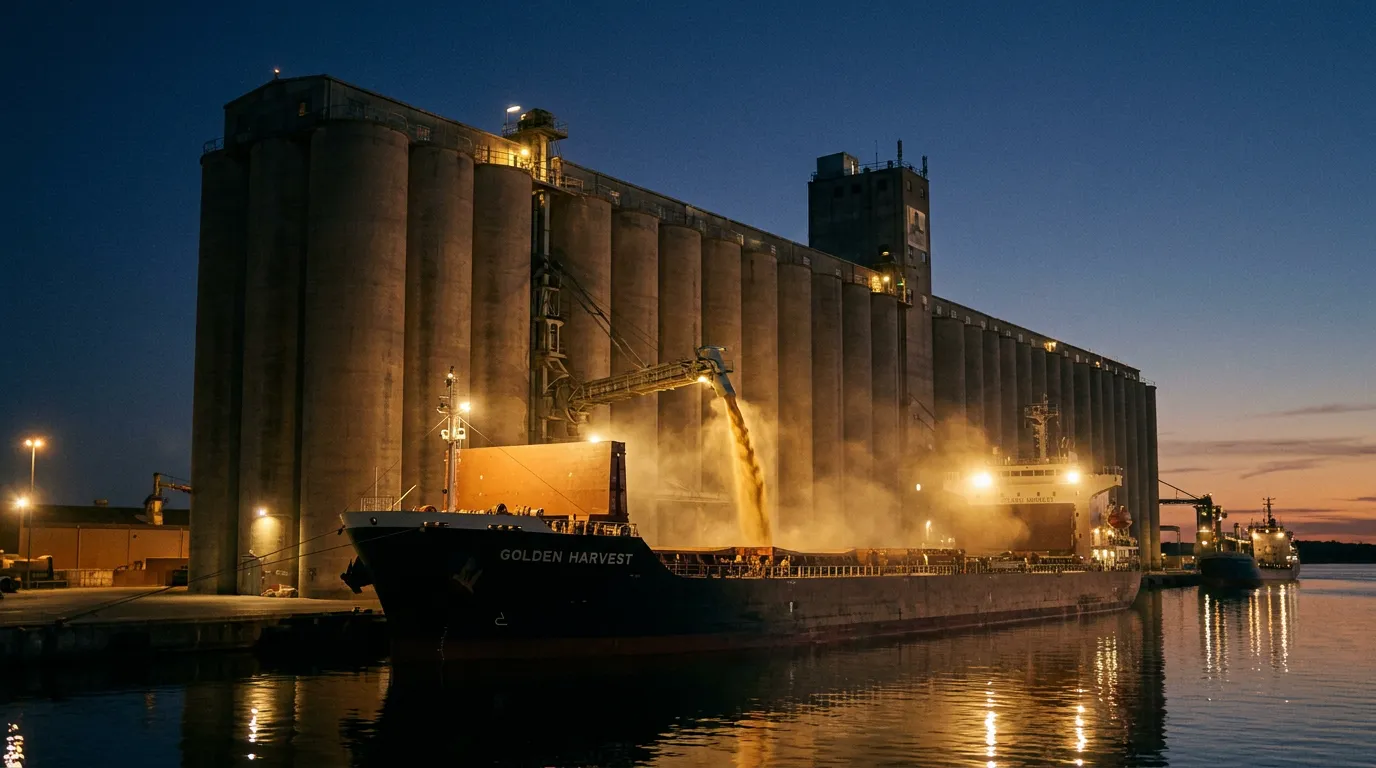
Logistics in agriculture and commodities
In agriculture you do not set the calendar — the harvest does. If capacity is not ready when the crop is, the harvest waits in store and loses both quality and price.
What makes it hard
- Volume concentrates into a few weeks. The whole sector looks for capacity in the same period; freight rises and space disappears.
- The product is sensitive to moisture and heat. Bulk cargo carried in the wrong conditions can spoil or mould in transit.
- Origin documents turn directly into money. Under preferential trade agreements the right paperwork earns a duty advantage; missing paperwork erases it.
- Prices are volatile. A move in the commodity price can change the shipping decision, so the plan has to flex.
How we set it up
Seasonal capacity is reserved against the harvest calendar. In the peak weeks we work with committed capacity rather than hunting spot space.
For bulk and bagged cargo the packing, stowage and ventilation plan is built around the product’s moisture sensitivity, with container liners and desiccants where needed.
Origin documents and preferential trade eligibility are checked before the shipment, and which agreement requires which document is settled per product.
Practical notes
Phytosanitary certificate and fumigation requirements vary by destination; that check belongs before loading. In bulk cargo, if the weight tolerance is not defined in the contract, it becomes a dispute on arrival.
Related content
Services
- Ocean FreightFCL, LCL and specialised cargo, with carrier and routing chosen for cost and reliability.
- Customs BrokerageTariff classification, compliance and documentation — handled in house, never outsourced.
- Warehousing and 3PLScalable storage, pick and pack, and distribution — fully integrated with transport.