



Industry
Mining and Resources
Steady flow to remote sites.
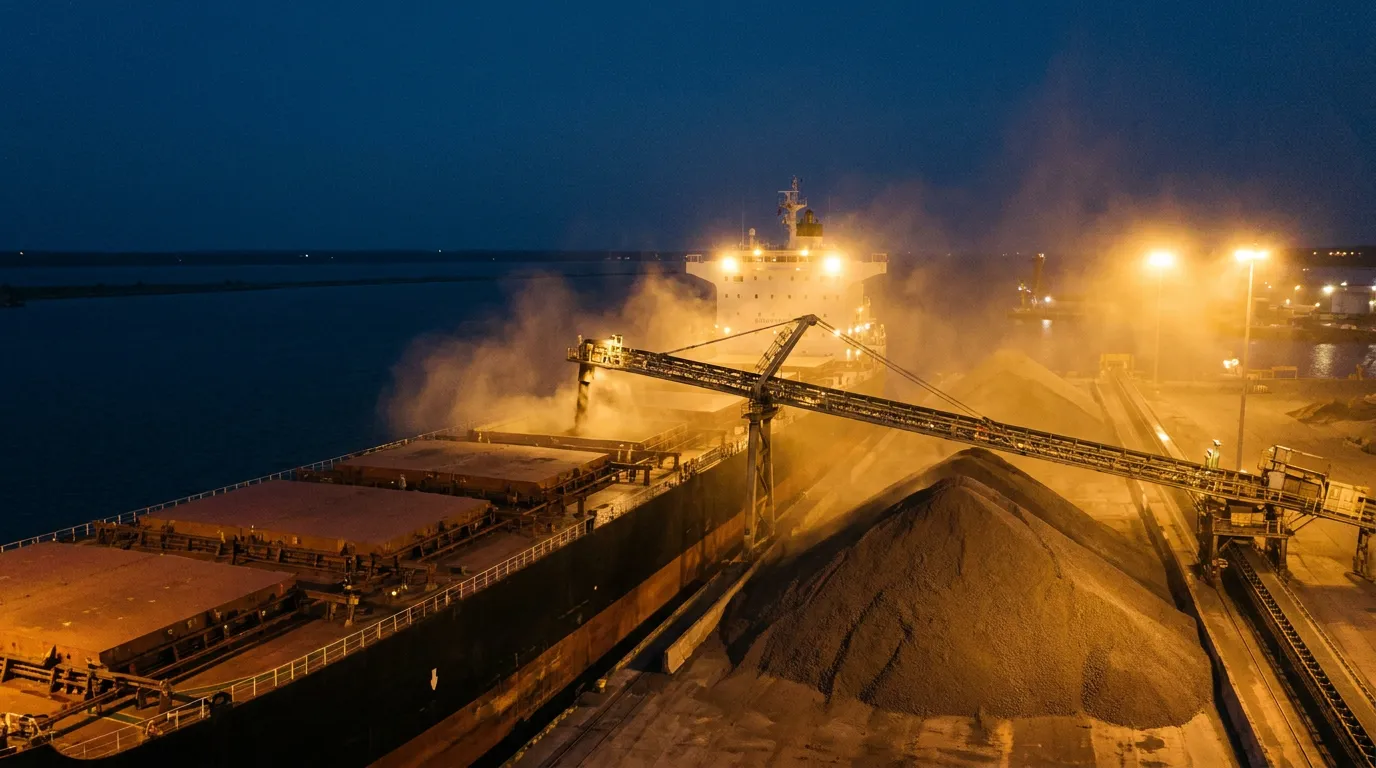
Logistics in mining and natural resources
Mine sites are usually far from the port and the city. The real difficulty here is not distance but continuity: the site keeps running on consumables that arrive on rhythm and equipment that lands on time.
What makes it hard
- The flow runs both ways. Equipment and consumables go in; ore or concentrate comes out — and they need different transport types.
- Infrastructure is limited. Site roads, seasonal conditions and loading facilities do not match standard logistics assumptions.
- In bulk, volume economics decide. A small error in vessel or wagon planning moves the cost per tonne noticeably.
- A stock-out halts production. No gaps are tolerated in fuel, explosives, grinding media and spare parts.
How we set it up
For bulk and conventional cargo we bring vessel, port and inland transport onto one calendar; cargo waiting at the port generates demurrage.
For difficult terrain the route is planned against seasonal conditions, with alternatives defined for the critical months.
For equipment and consumables we build a supply rhythm matched to the site’s consumption rate. The aim is not a one-off delivery but an uninterrupted flow.
Practical notes
Explosives and hazardous classes are subject to separate permits and transport rules; their calendar is managed independently of general shipments. For remote sites, minimum stock levels for spares should be set at the outset.
Related content
Services
- Ocean FreightFCL, LCL and specialised cargo, with carrier and routing chosen for cost and reliability.
- Rail FreightBlock train and container services on the Middle Corridor and European routes, with transhipment management and door-to-door road legs.
- Project CargoEngineering-led handling for oversized and complex shipments, from permits to load plans.