



Industry
Food and Beverage
Freshness and regulation at once.
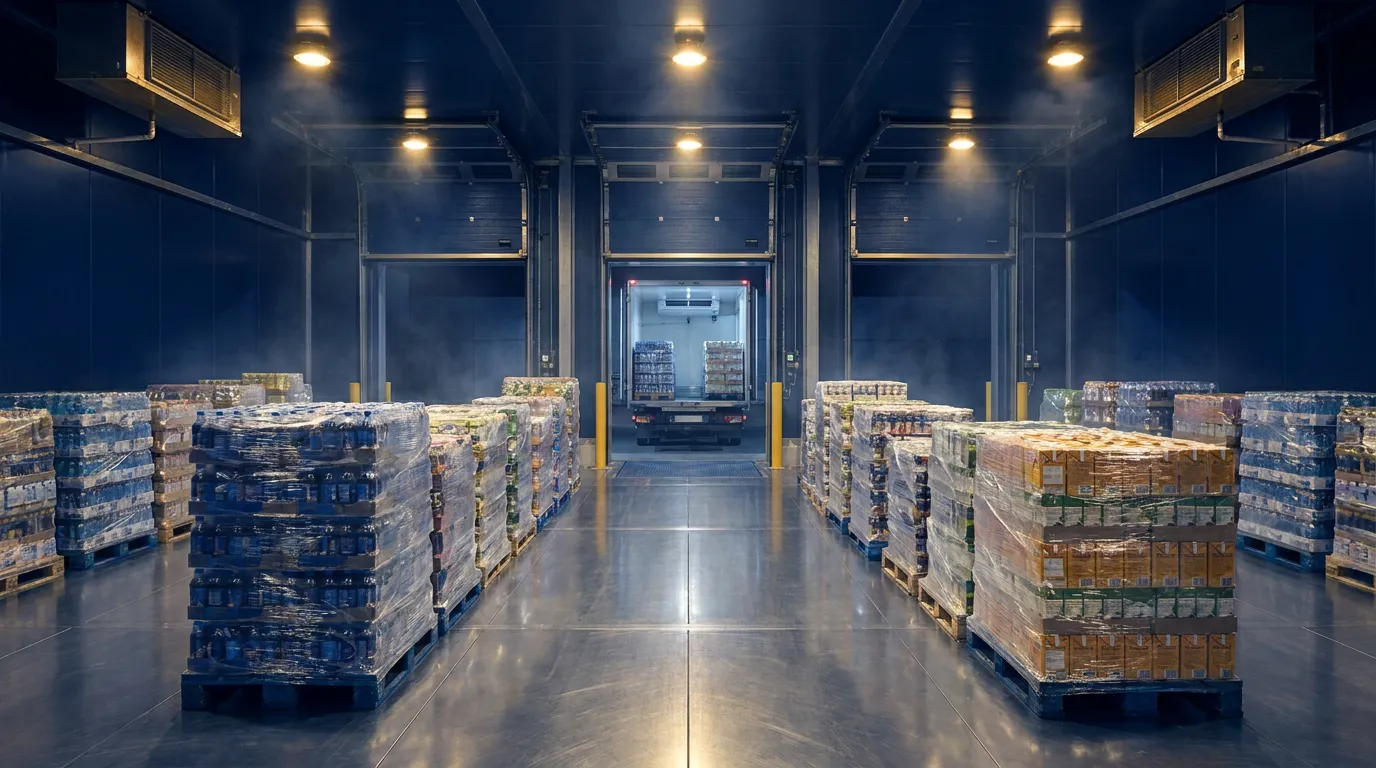
Logistics in food and beverage
In food, two clocks run at once: the product’s shelf life and the regulator’s permit calendar. One is fixed, the other is not. The plan has to be built where the two intersect.
What makes it hard
- Shelf life counts down. Every day in transit or at customs comes off the sellable period, and buyers usually set a minimum remaining life.
- Imports need permits and analysis. Goods are not released until the control certificate, laboratory analysis and label compliance are done.
- A broken cold chain cannot be undone. A temperature excursion can make a product unsellable with no visible damage.
- Volumes swing seasonally. Harvest and consumption seasons multiply capacity demand in a short window.
How we set it up
For cold chain we define the target temperature range in the contract, monitor it throughout and share the record with the delivery.
Import permits and analysis sit inside the shipment plan: the document calendar and the loading calendar are one plan. Analysis time is forecast and added to the shelf life calculation.
Prioritisation by shelf life brings short-dated lots forward, and for consignments at risk of delay a mode change is evaluated in advance.
Practical notes
If the label and ingredient declaration do not meet local regulation the goods can be turned back at customs; that check belongs before loading. Frozen and chilled products can share a vehicle only with multi-compartment equipment.
Related content
Services
- Cold Chain TransportTemperature-controlled transport by reefer vehicle and container: pre-cooling, continuous data logging and written temperature confirmation at every stage.
- Warehousing and 3PLScalable storage, pick and pack, and distribution — fully integrated with transport.
- Customs BrokerageTariff classification, compliance and documentation — handled in house, never outsourced.