



Industry
Engineering and Manufacturing
Inputs and outputs, both on time.
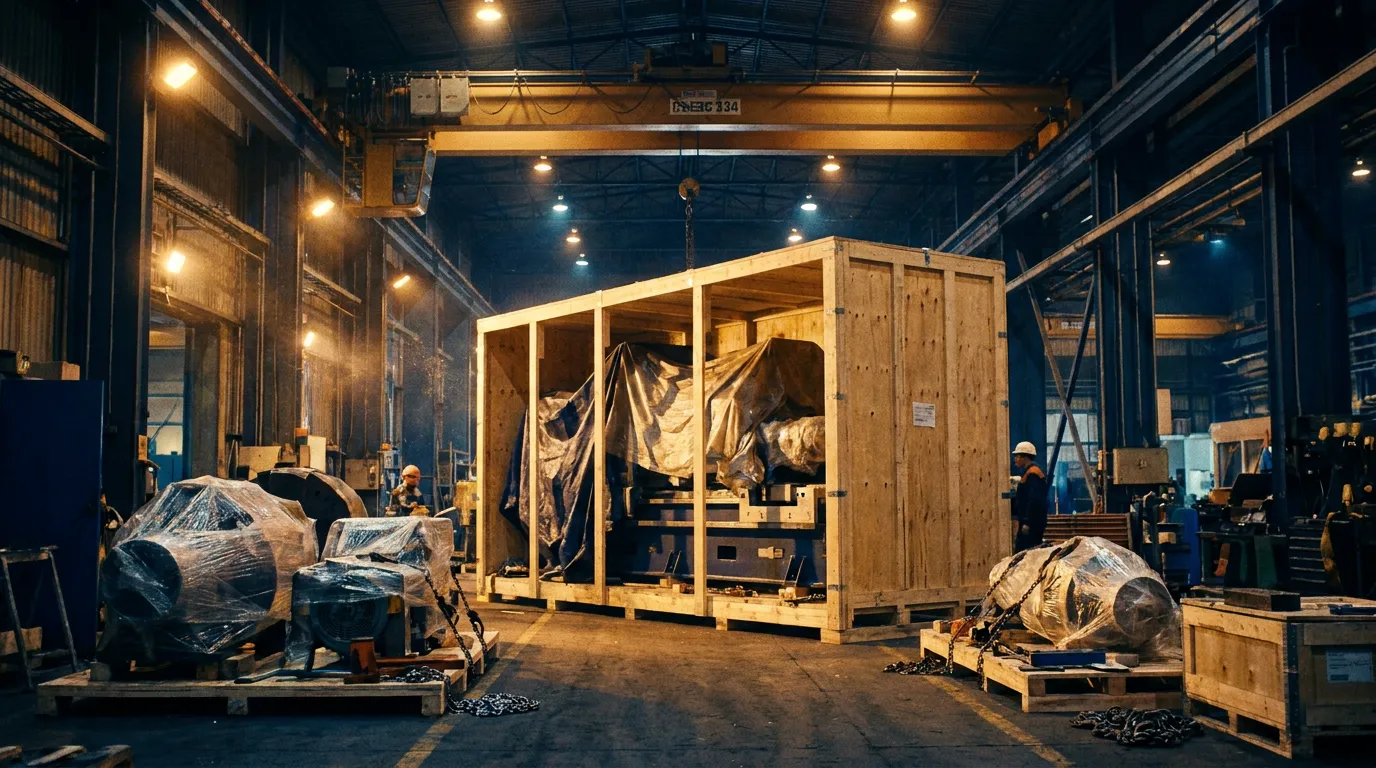
Logistics in engineering and manufacturing
For a manufacturer logistics runs in two directions: if the input is late, production stops; if the output is late, payment slips. A structure that manages the two separately cannot see the balance between them.
What makes it hard
- Input and output share one calendar. A raw material delay lands directly on the export delivery date.
- Supply sources are scattered. Components from different countries have to be ready on the same production date.
- Letters of credit and Incoterms demand document discipline. A small inconsistency in the paperwork delays payment.
- Stock must be neither high nor low. Excess stock ties up capital; too little puts the line at risk.
How we set it up
For raw materials and components we bring shipments from different sources onto one calendar, with early warning defined for critical parts.
The export shipment programme is tied to the production plan. Container space is booked against the production finish date — committed space rather than a last-minute search.
In bonded warehousing, inbound and outbound visibility runs from one system, and bonded status is evaluated as a way to defer the duty burden to the moment of release.
Practical notes
The choice of Incoterms sets not only cost but where risk and document responsibility change hands; it should be settled before the contract. On letter-of-credit transactions the document wording must be checked before shipping.
Related content
Services
- Project CargoEngineering-led handling for oversized and complex shipments, from permits to load plans.
- Ocean FreightFCL, LCL and specialised cargo, with carrier and routing chosen for cost and reliability.
- Customs BrokerageTariff classification, compliance and documentation — handled in house, never outsourced.