



What we offer
If you ship small volumes regularly on the same lane, we combine them on a scheduled calendar to reduce both cost and operational load.
Scope
- Weekly/monthly consolidation calendar
- Multi-supplier collection
- Origin consolidation
- Shared customs clearance
How it works
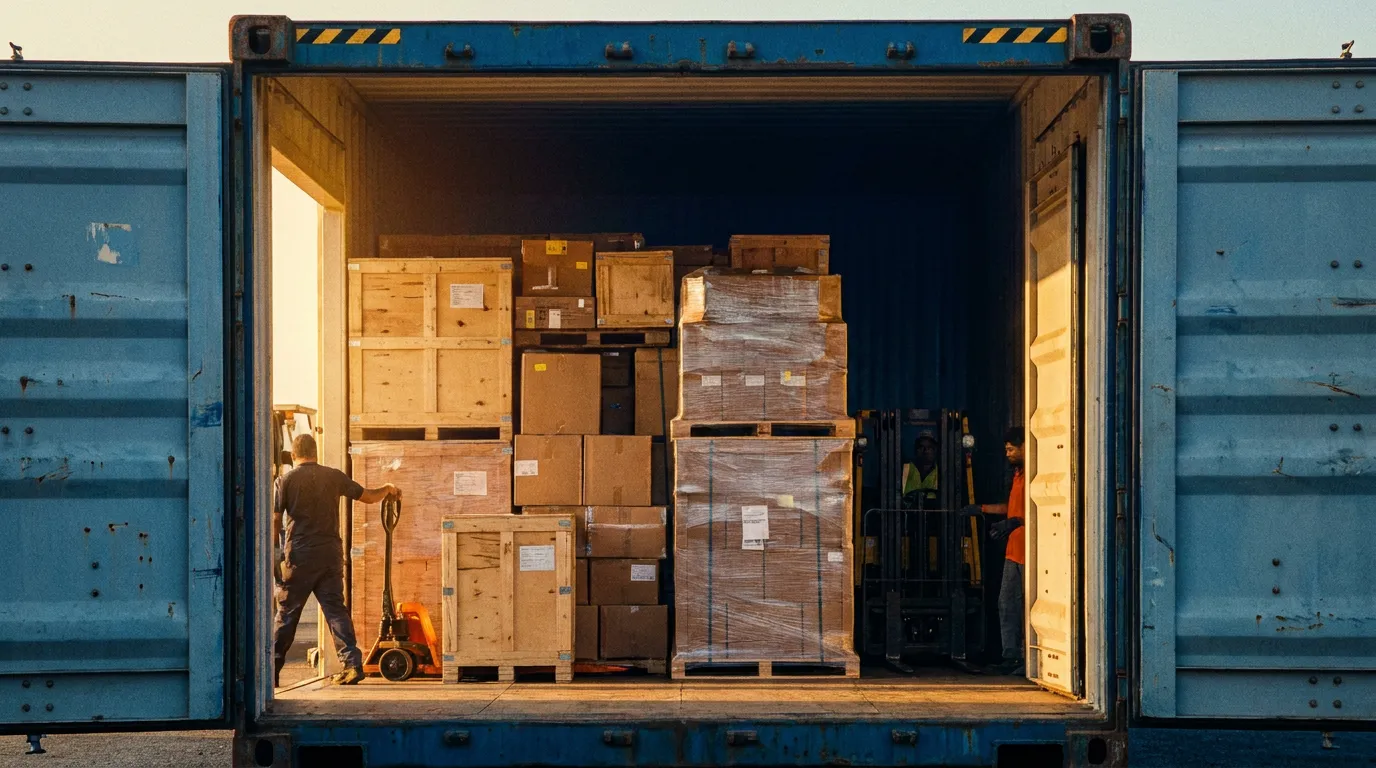
Regular consignments on the same lane that do not fill a container on their own are combined on a fixed schedule. You do not pay full container cost; in exchange the departure day is fixed — the cargo leaves on the scheduled day, not the day it is ready.
For most steady supply flows that trade works in your favour: because the departure day is known, production and stock planning settle into the same rhythm.
Who it suits
- Buyers making regular but small purchases from one region
- Anyone collecting from several suppliers in the same country
- Companies wanting frequent small shipments to hold down stock cost
- Cargo that will not fill an FCL but should avoid LCL transhipment risk
Consolidation at origin
We gather cargo from different suppliers at a single point in the country of origin. That does two things: the container fills more efficiently, and customs formalities can be combined into one declaration — lowering both cost and processing time per declaration.
Practical notes
The departure schedule is binding; a missed day waits for the next sailing. We share a countdown plan up front so supplier delivery dates line up with the schedule.